Identifying Subsidence

Do You Need Help!

Sales: +966 555 010835
Cust Service: +966 555 019691
Tech: +966 555 017209
Tel: +966 11 4464626
E-mail: info@uretek.com.sa

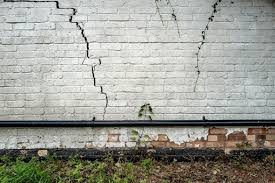
The one major sign of subsidence is the appearance of cracks in buildings and their walls. The cracks caused by subsidence are normally of a diagonal nature. These cracks will suddenly appear in plaster work inside the building and on brickwork outside. Subsidence cracks will usually be thicker than fine hairline cracks, which may be caused by natural movement of a structure, and tend to be wider at the top.

Look for possible signs of subsidence around weak points in the building, such as doors and windows. You may find that doors and windows may stick due to the movement of the building.  Subsidence cracks are also common where an extension meets the main building, indicating that the extension is pulling away from the main structure.
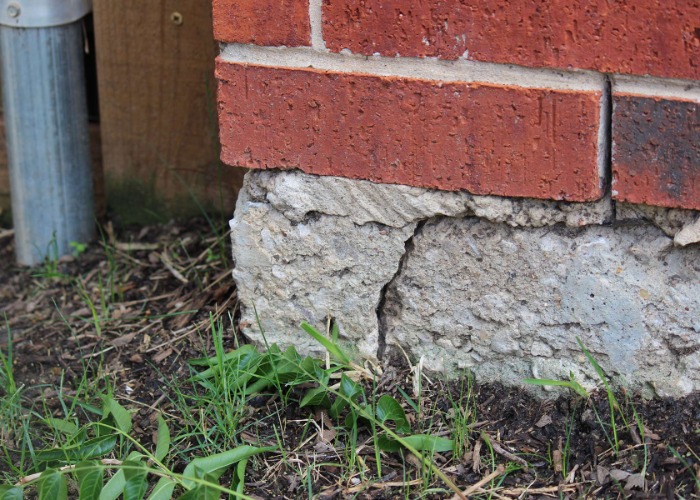
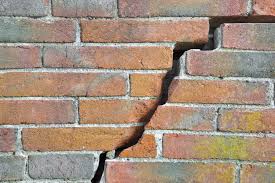
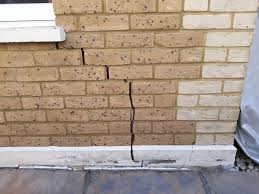
Common signs of potential subsidence

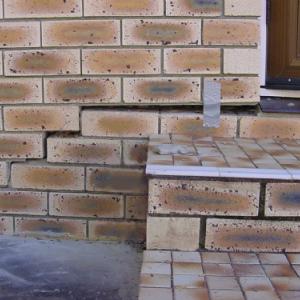
  • Cracks appear in the plinth, walls and floors
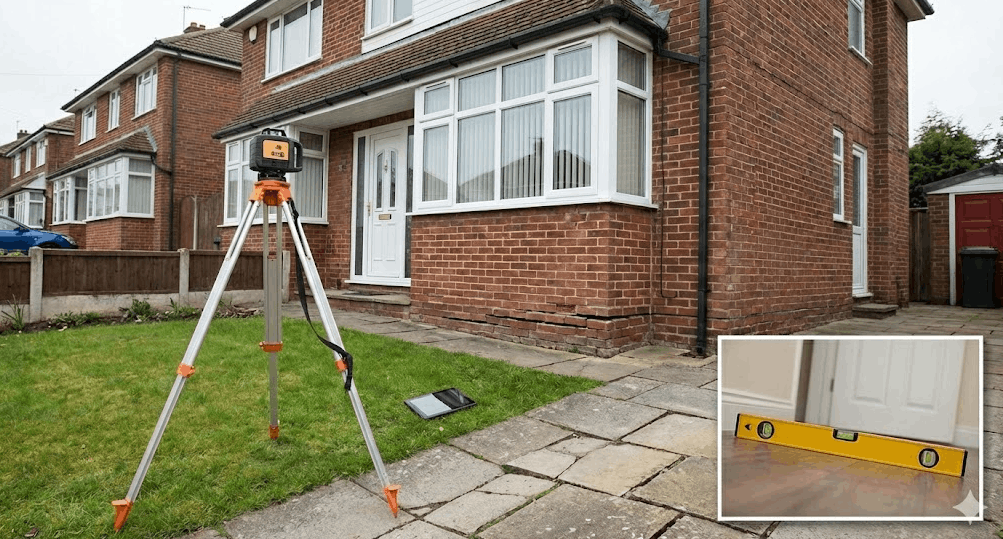
  • Floors become uneven or are tilted
  • Unexpected structural damage occurs
  • Doors and windows do not open/close properly
  • Gaps appear between frames and doors/windows
  • Structure appears to lean to one direction more than expected
  • Water starts to run in the wrong direction the sink or bath
  • Water damage may be caused by structural movement
  • Drains work poorly or not at all
  • Chimney stack or chimney breast shows sign of leaning and cracks

Gallery

Help Links

Treatment of Subsidence

Learn More →

Cost of Subsidence

Learn More →

Common Causes

Learn More →

Identifying Subsidence

Learn More →
URETEK is a global group of contractors specialized in geopolymer technology for ground engineering.
© 2026 uretek | All Rights Reserved
Privacy Policy
envelopephone-handsetmap-marker
en_US